


CBD guideline
What is CBD oil? What is the difference between CBD oil and hemp seed oil?
Hemp seed oil is made of the squeezing of hemp seed. This cold
pressed oil is used for meals like salads. Hemp seed oil is full of healthy
OMEGA 3 fatty acids and minerals.
CBD oil is made of the flower of hemp plants. This oil is not consumed
for its taste but the health benefits.
CBD (full name cannabidioil) is one of the most useful ingredient of the
Cannabis sativa plant, also known as hemp. CBD oil contains a high
level of CBD. Cannabis oil=CBD oil
What type of CBD does it contain?
– Isolate CBD oil contains only CBD, no other cannabinoids.
– The full spectrum CBD product contains multiple cannabis plant
extract
– The broad-spectrum CBD contains all cannabinoid extracted from
the hemp plant, but it is entirely free of THC.
According to some research if the potential therapeutic effects of THC
and CBD tend to be higher when the two cannabinoids are used
together. This is the so called ’entourage effect.’
What is full-spectrum CBD oil?
CBD oil is full-spectrum if the tincture contains all the useful molecules of
the cannabis plant. The most important compound is CBD (cannabinoid)
but cannabinoids, terpenes and flavonoids can also be found the in the
product.

Compounds of CBD oil:
The most common cannabionoids can be found in Green Zone and Green Power full-spectrum CBD oils.
Cultivation of industrial hemp is under EU regulations.
Using herbicides and pesticides are strictly forbidden.
All hemp plants are organic, sustainable grown and tested regularly to make sure all of them are entirely free from hard additives, pesticides and heavy metals. It is equivalent to 15 mg/drops as it is one of the strongest full-spectrum oil available in the market.
Our food-quality CO2 extraction method is secure and efficient.
One of Green Zone’s main principle is that the complete process of growth and production should be checked and followed.
Our products specific cannabinoid profiles are certified by Independent Testing Laboratories.
Types of CBD
Isolate: contains only CBD, no other cannabinoids
Full-spectrum: contains all cannabinoids including THC
Broad spectrum: contains most of the cannabinoids, but free from THC
The full spectrum CBD also contains:
– protein
– fatty acids
– chlorophyll
– fiber
– flavonoids
– terpenes
Is it oil or tincture?
CBD oils can be produced by using liquids. This fact determines if it is oil or tincture.
CBD oils and tinctures
CBD oil: cannabis is infused into carrier oil.
CBD tincture: cannabis is infused into alcohol and water
All our CBD extracts are produced with supercritical CO2 extraction. This is a high-technology process, which uses carbon dioxid pressurized into supercritical state to obtain agents from the crude hemp flower.
This method is the perfect way of producing efficient extracts without toxic chemicals. (hexan, butan, propane)
Premium quality CBD oil can’t be produced from cheap hemp.
We make a lot of efforts in order to produce A class hemp. All our basic hemps are bio, sustainable grown and regularly tested to make sure they are entirely free of hard additive pesticides, heavy metals.
If you are looking for one of the strongest CBD product in the market,
then you have found IT!
We distribute several types of oil with different strength ratings.
Our most efficient product is GREEN ZONE CBD OIL 3000 MG, fullspectrum hemp extraction. This is equivalent of 3 mg/drop, which is the strongest, full-spectrum oil avalailable in the market.
Dosage
How to use
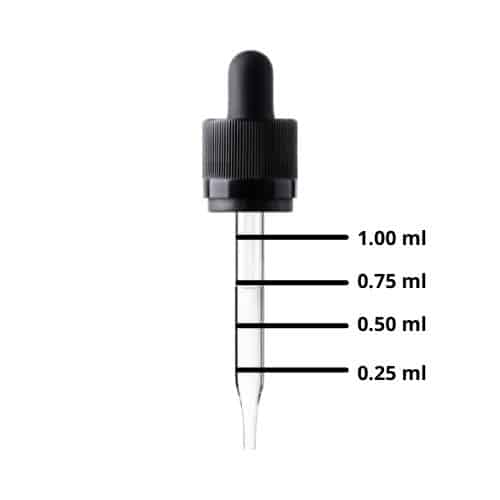
CBD oil instructions for use:
Every human and every illness is different so your ideal dosage is based
on your own personal experiences. Most people use it twice a day. The best time for taking CBD is morning and late afternoon. Some medicines can interact with CBD, so you have to be cautious.
First, the most important step is to find your ideal amount of CBD drops. It’s very unique and specific just like fingerprints. So you have to be patient.
Start using: – 2×2 drops 500 mg
– 2×1 drop 1000 mg
Increase the dosage every week with one drop until you feel that CBD oil is positively affecting you.
Healthy people can consume 10-50 mg of CBD, people with short-term illnesses can consume 60-100 mg of CBD and those who suffer from long-term health conditions or chronically sick can consume 100-200 mg.
You can take the entire dose at once, or you can split up your dose.
Take it once or twice a day, morning and afternoon.
Low doses of CBD (1-4 drops) can have a stimulating effect, while higher doses (6-10 drops) makes you relaxed and generally much more sedative.
1. Slowly turn the bottle, but don’t shake it!
2. Drop your ideal amount of CBD under your tongue.
3. In order to actually reap the full benefits of sublingual absorption,you need to hold the supplement under your tongue for 30-60 seconds. Don’t drink or eat for five minutes.
If you take medicines, you should apply CBD oil at least 3 hours after taking your medicines. It is very important to keep this time interval because the same enzyme (cyp450) is involved in the metabolism of medicines and cannabis.
To avoid the interactions you should keep the 3 hour delay between the doses.
Consuming fatty foods might boost the body’s absorption of CBD.
It might take up to 2-4 hours until you feel the effects of CBD. If you need you can decrease or increase the amount of drops. CBD absorbs in the blood stream and avoid the digestive system.
You can also add the daily dose to cold dishes like salads, soups, smoothies or other meals. Don’t use it for cooking.
Green Zone CBD oils are high-quality, rich in phytocannabinoids, plantbased extracts from the best quality industrial hemp. Our food-quality ethanol extraction method is safe and efficient. It keeps the full-spectrum
of the plant’s cannabinoids and terpenes. That’s how it supports our
general wellbeing.
Every type of our cannabinoid oils (CBG, CBD, and CBN) are tested in Independent Laboratories to make sure we provide the best quality and most effective oils.

What is CBD, CBG, CBN?
CBD is one of the 100 cannabinoids which can be found in hemp and
offers you a wide range of therapeutic benefits.
CBG (’mother of all cannabinoides’ or ’steam cell cannabinoide’) According to several researchers CBG has a wide range of great benefits for health and wellbeing and also can boost the effects of hemp-based
CBD products.
CBN is often used for improving sleep and relaxation. CBN can help you fall asleep quickly and improve your sleep quality.
We, at Green Zone believe that CBD, CBG and CBN are different. We know, that choosing the safe and effective product is important for you and your loved ones. Our main principle is to represent the most reliable
and popular brand of inspiration, education with our plant-based therapic products.
Now you are probably thinking about believing the amazing health benefits of CBD, CBG and CBN or not.
However, CBD isolate broad-spectrum CBD and full-spectrum CBD has all the unique features the full-spectrum CBD is only product which contains all compounds of the cannabis including cannabidiol (CBD) and
tetrahydrocannabinol (THC). Entourage effect can maximize the benefits,
that’s why full-spectrum CBD can be the best choice for you.
What is CBD oil used for?
Unlike THC, CBD hasn’t got interaction with the cannabinoid receptors of
the brain. These are the molecules of THC associated with psychoactive
properties. CBD also impacts other receptors like opioids – which
regulates pain and glicin receptors – which play role in the regulation of
serotonin (’wellbeing hormone’)
Those people who use CBD regularly claim that CBD oil can treat
severral medical problems including:
– pimples
– anxiety
– chronic pains
– depression
– drug addiction and detox
– epilepsy
– glaucoma
– high blood pressure
– insomnia
– cramps
– Parkinson’s disease
– loss of appetite
What do researches say about CBD?

There are several beliefs about the health benefits of CBD. Apart from these anecdotes here are some of the scientific proofs.
The interaction of CBD oil and other medicines
Most of the medicines (almost 60%) are metabolised by ensymes in the
liver. This system is called cytochrome P450. CBD temporarily blocks this enzyme system by increasing the blood concentration of the medicine and also boosting its effects.
This can be reduced and avoided if you take the medicine and CBD at different time of the day. If you take medicines, please ask your doctor’s advise before using CBD for medical purposes.
You must inform your doctor if you are before surgery. CBD can boost the effects of narcotics.
The general advice is that you can use CBD 2-3 hours after taking other medicines.
Be careful if you take the following medicines:
antidepressants, antihistamines, Calcium channel blockers, betablockers, immunosuppressive medications, steroids, cancer treatment drugs, proton-pump inhibitors.
In case of taking antidepressants and antihistamines you may experience increased level of fatigue and somnolence.
In case of CA channel blockers you should pay attention to low-blood pressure.
(dizziness, general weakness)
In case of Beta-blockers you may experience low-blood pressure and low pulse rate.
Steroids can boost the metabolism of CBD.
In case of immunosuppressives and cancer treatment drugs, the metabolism is slowered by CBD.
Talk to your doctor if using or considering CBD to alter the dosage of medicines.
These medications may interact with CBD:
angiotensin 2 blockers, antiarrhytmic medications, antibiotics,
antidepressants, antiepileptics, antihistamines, antipsychotics,
benzodiazepines, beta blockers, anesthetics, HIV treatment drugs, HMGCoA reductase inhibitors, immunregulators, CA channel blockers,
NSAIDs (non-steroidal anti inflammatory drugs, oral hypoglycemic meds,
prokinetics, protonpump inhibitors, steroids, sulphonylureas
Impacts of CBD on Human Digestive System
Compounds of cannabis oil (CBD, CBG, CBC etc.) improve digestive health. Several studies had been made with people who are suffering from gastrointestinal disorders such as Crohn’s disease, ulcerative
colitis, IBD, IBS. A group of people were treated with CBD, others were given placebo.
Those patients who regularly took cannabis oil experienced great relief
and 5 patients – participating in this experiment- became entirely asymptomatic.
Cannabis oil has positive impact on human digestive system interacting the receptors which can be found in the gut system.
High blood pressure
Clinical studies have shown that large amounts of CBD can lower blood
pressure. CBD oil has positive impact on blood pressure. Participants of studies have better reactions of changing the blood pressure during stress and after heavy physical work.
According to JCI Insight’s study (2017) CBD oil can lower the risk of heart disease as it lowers the blood pressure. During this research 9 healthy men were treated with 600 mg CBD and others with placebo.
Those men who took CBD had lower blood pressure in stressful situations like training or extreme cold weather conditions.
Stroke volume was also examined (the volume of blood pumped from the left ventricle per beat.) Men taking CBD experienced lower stroke volume than the other group of people who got placebo. This means that the
heart worked more effectively. Studies suggest CBD oil is a great
complimentary therapy for those people who suffer from high blood pressure caused by stress and anxiety.
However, there is no evidence that CBD itself can treat high blood pressure or prevent it. Stress can be a serious factor, but it doesn’t cause high blood pressure.

Neuropathy (nerve pain)
Medical cannabis is usually prescribed by doctors for those patients who suffer from long-term pains after medical therapies (such as cancer treatment). There are some evidences that CBD may have positive impact on this.
In 2012 an interesting study was published in Journal Experimental Medicine. Rats were vaccinated with chemical compounds causing inflammation. After that, the animals were treated with CBD. Rats on
CBD experienced less nerve pain (pain caused by nerve damage) and lower level of inflammation.
Scientists say that CBD can help you with neuropathy as it connects with brain receptors regulating the speed of neuro signals between the cells.
There aren’t many studies about using CBD to relieve chronic pains. All of them only refers to THC and not the specific effects of CBD.
Treating pain
Several studies claim that CBD might help to relief pain.
Between 1975 and the first half of 2018 some experiments had been made about cannabis (including CBD and THC). As a result, it is found that CBD can relieve pain caused by cancer, neuropathy and
fibromyalgia.
A review from 2020 was published with the same results. According to studies based on animal experiments CBD has positive impact on pain relief and treating of inflammation.
On the other hand, more studies – based on human experiments- would be essential.
CBD oil effects on liver:
Almost 60% of medicines are metabolized by the liver. This system is
called cytochrom P450. CBD temporarily blocks this enzyme system with increasing the blood concentration of the medicine used and also boosting the effects.
This block can be avoided if you take your medicine and the CBD at different times of the day. If you should take medicines regularly please consult your doctor about considering CBD as complimentary therapy.
According to researches, the high level of CBD and other cannabinoids which can be found in cannabis oil DO NOT HARM your liver.
Addiction
A review was made by Substance Abuse in 2015 which revealed that
CBD can help you if you have problems with drugs. 14 studies were published about different experiments.
9 experiments were made with animals and 5 examined the effects on humans.
Researchers found that CBD can be beneficial in the treatment of a variety addictions. (opioids-,cocain- or psychostimulant drugs). However CBD has absolutely different outcome.
CBD without TCH didn’t help to manage the withdrawal symptoms of
opioids. On the other hand, it decreased the cravings of cocaine and metamphetamine users.
According to experts CBD can help you with managing your addiction of cannabis and nicotine, but we need more research in this field.
Anxiety and sleeping
A study examining the impacts of CBD on sleep and anxiety was published in 2019. 72 adults were involved in this experiment. They got 25 mg of CBD daily dose for 4 weeks. 79,2% of them experienced decreased level of anxiety and 66,7% of the also experienced improved sleeping patterns after 4 weeks.
Other studies from reliable resources were carried out and it has been
found that CBD can help to manage and decrease the level of anxiety
during public speech.
Cannabis oil is not a sleep enhancer, but as CBD attach to
receptors in the centrall nervous system it can affect your sleep
quality.
There are 2 opinions about the impacts of CBD and sleeping:
– it helps you to improve sleeping
– it has negative impact on sleeping
You are probably thinking it’s too complicated so let me share my own
personal experience with you,which supports that both statements
above are true. ’For a long time, I had been taking the CBD oil before going to bed. I realized that my mental activity increased and my brain was stimulated which is not a good thing before sleeping. One of my friend told me
about the same experiences and he also suggested to use the oil 3-6 hours before going to sleep. Since I took his advice I sleep like a baby.’
There are some people who say taking the CBD before going to bed doesn’t affect their sleep. They must be right as well, CBD has different effects on every people. That’s why I suggest you to take your own
experience and find the perfect time for taking your CBD in the evenings.
For some weeks use CBD between 4-7 p.m.
For some weeks take the evening dose of CBD half an hour before going to bed.
After trying these different timings you will find out which is better for you.
Important information: Low doses of CBD can have stimulating effect, while higher doses make you relaxed.
Analyizing process of our products
Heavy metals and pesticides HMI Group/Canna Master Inc. is the leading business of industrial hemp
market and pays special attention to checking and removing the toxic substances including remains of pesticides and heavy metals. Firstly, HMI Group set up strict rules about planting and cultivating and maintain the appropriate agricultural practise. Secondly, quality departments of HMI Group/Canna Master Inc. are wellequipped and use modern devices and techniques like atomic absorption spectrophotometer (for detecting heavy metals and remains
of pesticides) and gas chromatography (for separating and analyzing
chemical substances).
All testings are strictly done under international regulations.
All our products and cannabinoid profiles are tested with HPLC. HPLC is commonly used by professional certified laboratories in the hemp industry. High-sensitivity and high-resolution are the greatest advantages
of HPLC. During the detection process specific temperature range is
required to use for avoiding structural problems caused by heat.

The 6,000-Year History of Medical Cannabis

Since the early 20th century, the use of cannabis for any purpose fell out of favor by both regulators and Western culture at large.
In the United States, a wave of regulations made access to cannabis more difficult starting from the late 1900s, ultimately culminating in the Marihuana Tax Act of 1937, which effectively made cannabis use a federal offense. Meanwhile, prohibition in Canada lasted for 85 years until being lifted by recent developments.
Interestingly, however, this recent period of 20th century opposition is actually just a small speck in the wider 6,000-year timeline of cannabis. After all, the plant has been widely regarded for its therapeutic potential for many millennia by different cultures around the world.
6,000 Years of Medical Cannabis
And it focuses on the medical uses of cannabis discovered by many cultures over time. With uses dating back to Ancient empires such as Rome, Egypt, and China, it helps to put into perspective recent legal and cultural developments regarding cannabis on a broader historical scale.
4000 BC: Pan-p’o village
Cannabis was regarded among “five grains” in China, and was farmed as a major food crop.
2737 BC: Pen Ts’ao Ching
Earliest record of cannabis as a medicinal drug. At this time, Emperor Shen-Nung recognized its treatment properties for over 100 ailments such as gout, rheumatism, and malaria.
2000-1400 BC: Scythians
Nomadic Indo-European peoples used cannabis in steam baths, and also burned cannabis seeds in burial rituals.
2000-1000 BC: Atharva Vedas
Cannabis was described as a “source of happiness”, “joy-giver”, and “bringer of freedom” in these Hindu religious texts. At this time, cannabis was smoked at daily devotional services and religious rituals.
2000-1000 BC: Ayurvedic Medicine
Open religious use of cannabis allowed for exploration of medical benefits. During this period, it was used to treat a variety of ailments such as epilepsy, rabies, anxiety, and bronchitis.
1550 BC: Ebers Papyrus
Egyptian medical papyrus of medical knowledge notes that medical cannabis can treat inflammation.
1213 BC: Ramesses II
Cannabis pollen has been recovered from the mummy of Ramesses II, the Egyptian pharaoh who was mummified after his death in 1213 BC.
900 BC: Assyrians
Employed the psychotropic effects of cannabis for recreational and medical purposes.
450-200 BC: Greco-Roman use
Physician Dioscorides prescribed cannabis for toothaches and earaches. Greek doctor Claudius Galen noted it was widely consumed throughout the empire. Women of the Roman elite also used cannabis to alleviate labor pains.
207 AD: Hua T’o
First recorded physician to describe cannabis as an analgesic. He used a mixture of cannabis and wine to anesthetize patients before surgery.
1000 AD: Treats Epilepsy
Arabic scholars al-Mayusi and al-Badri regard cannabis as an effective treatment for epilepsy.
1025 AD: Avicenna
The medieval Persian medical writer publishes “Avicenna’s Canon of Medicine”, stating that cannabis is an effective treatment for gout, edema, infectious wounds, and severe headaches. His work was widely studied from the 13th to 19th centuries, having a lasting impact on Western medicine.
1300 AD: Arab traders
Arab traders bring cannabis from India to Eastern Africa, where it spreads inland. It is used to treat malaria, asthma, fever, and dysentery.
1500 AD: Spanish Conquest
The Spanish brought cannabis to the Americas, where it was used for more practical purposes like rope or clothes. However, years later, it would be used as a psychoactive and medicinal drug.
1798: Napoleon
Napoleon brought cannabis back to France from Egypt, and it was investigated for its pain relieving and sedative qualities. At this time, cannabis would be used to treat tumors, cough, and jaundice.
1839: William O’Shaughnessy
Irish doctor William O’Shaughnessy introduced the therapeutic uses of cannabis to Western medicine. He concluded it had no negative medicinal effects, and the plant’s use in a pharmaceutical context would rapidly rise thereafter.
1900: Medical Cannabis
Medical cannabis was used to treat nausea, rheumatism, and labor pain. At this point in time, it is available over-the-counter in medications such as “Piso’s cure” and “One day cough cure”.
1914: Harrison Act
Drug use was declared a crime in the U.S., under the Harrison Narcotics Tax Act in 1914.
1937: Marihuana Tax Act
The Marihuana Tax Act banned the use and sales of cannabis in the United States.
1964: Discovery of THC
The molecular structure of THC, an active component of cannabis, was discovered and synthesized by Israeli chemist Dr. Raphael Mechoulam.
1970: Classified as Schedule 1 Drug
Cannabis became categorized as a Schedule 1 Drug in the U.S., which limited further research into the plant. It was listed as having “no accepted medical use”.
1988: CBD Receptors Discovered
The CBD1 and CBD2 cannabinoid receptors were discovered. Today, we know they are some of the most abundant neuroreceptors in the brain.
2000-2018: Medical cannabis legalization
Governments, such as those of Canada and various states, begin to legalize cannabis for medical purposes from licensed producers. Recreational legalization quickly starts to follow.


